Four Main Triggers For Relapse In Recovery
A decline in mental health, such as increased anxiety, depression, or emotional instability, signals the need for professional intervention. Creating a healthy environment, avoiding high-risk situations, and establishing routines contribute to stability. Practicing self-care activities like regular exercise, meditation, and maintaining social connections bolster mental health and reduce relapse risks. Behavioral strategies include avoiding high-risk environments, such as social settings where substances are present, and developing new routines that promote healthy habits.
The information we provide is not intended to be a substitute for professional medical advice, diagnosis or treatment. It should not be used in place of the advice of your physician or other qualified healthcare provider. It should not be used in place of the advice of your physician or other qualified healthcare providers.
Identify Your Personal Triggers
Physical relapse may also occur when the individual thinks they won’t get caught. It’s essential to have strategies in place and recognise when one is in a vulnerable situation in order to avoid physically using again. Physical relapse is the act of picking up a drink or calling a dealer for drugs. There may be a lapse in which the individual has a brief slip-up or a full relapse in which the individual returns to their old patterns of using they may even require a detox to manage withdrawal. These may be more difficult for the individual to remove, as they’re emotional responses that trigger the desire to use.
Whole Health Library
Let Little Creek Recovery Center guide you down the right path to recovery, personal growth, and long-term sobriety. For those seeking addiction treatment for themselves or a loved one, our calls are confidential and are available for 24/7 help. Medication-Assisted Therapy (MAT) uses FDA-approved medications like disulfiram, acamprosate, and naltrexone to reduce cravings and block the euphoric effects of alcohol.
PHP vs Residential: Which Is Right for Addiction Recovery?
Different types of therapy, such as cognitive-behavioral therapy, mindfulness-based therapies, and dialectical behavior therapy, can be used to help individuals manage their cravings and avoid triggers. Skill development such as stress management, interpersonal skills, and self-care practices can strengthen one’s ability to resist the urge to relapse. Therapy and skill development form a crucial part of relapse prevention strategies. They help individuals learn coping mechanisms, identify triggers, and develop healthy habits and behaviors 3. In the journey of recovery from addiction, understanding and identifying potential triggers is key to avoiding relapse. The four main triggers for relapse in recovery are people, places, things, and emotions, as outlined by the SAMHSA.
Integrating emotional regulation into daily life
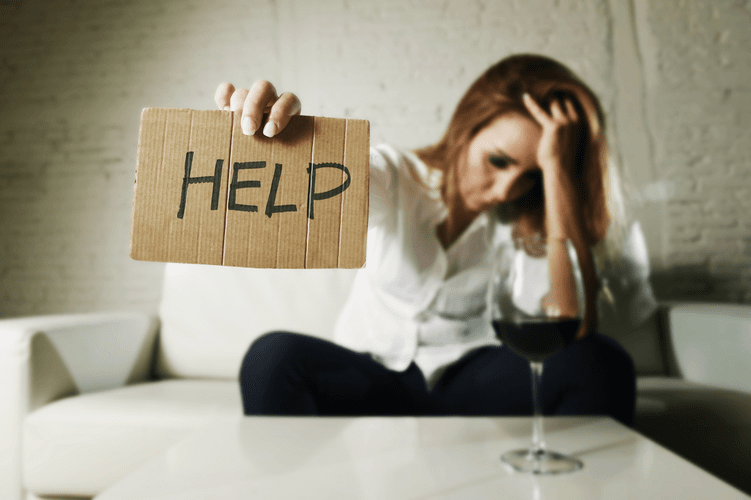
Rehab programs give you the tools you need to prevent relapse and handle the challenges that come with recovery. Studies show that the longer you stay in addiction treatment, the less likely you are to relapse. This is because rehab gives you more time to practice healthy habits and build a strong recovery before returning to everyday life. In early recovery, it’s especially important to focus on maintaining balance. Substance use disorders are often tied to emotional triggers, and unmet needs can amplify stress and negative feelings, leading to relapse warning signs. Developing a deep understanding of addiction is crucial for those in recovery.
Relapse Prevention in Recovery
Relapse triggers are cues, either external or internal, that can provoke cravings or the urge to return to substance use. These triggers are tied to learned associations formed during active substance abuse and can activate strong desires that risk a relapse. Building a repertoire of engaging pastimes helps fill idle moments and reduces the likelihood of turning to substances for stimulation. IOPs provide structured therapy sessions (e.g., 9–12 hours per week) while allowing patients to live at home, balancing recovery with daily responsibilities.
Harmful patterns seem more reasonable over time without external support or connection. A whiff of cigarette smoke, watching people sip cocktails in a bar or restaurant, or a couple locked in an erotic embrace are reminders that seem to be everywhere in the early stages of quitting. By making changes in your lifestyle, relationships, and priorities, you may be able to reduce the number of stressful situations in your life. By doing this, you will be reducing the likelihood of stress triggering a relapse.
How to transition from inpatient to outpatient treatment

Breaking habits that trigger relapse isn’t about being perfect; it’s about being persistent. Recovery is about growth, learning, and reclaiming control one decision at a time. By applying these strategies, you’ll move from managing relapse to mastering lasting change. My SPARO framework—Stimulus, Perception, Activation, Response, Outcome—can help people navigate the emotional storms that often lead to relapse. SPARO helps you identify where to unhook from automatic reactions and choose more supportive actions.
- When it comes to external triggers, active avoidance of certain places, breaking ties with specific individuals, and taking other conscious steps to limit exposure are advised.
- Engaging with support groups or therapy to strengthen relationship skills and boundaries helps resist relapse.
- It involves understanding and identifying the triggers, seeking professional support, and engaging with the community for support.
- Increasing social isolation creates an environment where substance use becomes easier to justify.
By being aware of your triggers and taking conscious actions to limit your exposure, you can stay on the path of recovery. Boredom can be a slippery slope if you’re not ready to tackle it head-on. In early recovery, boredom and social isolation can be powerful triggers for relapse. When feeling bored, individuals may be more likely to seek out activities or substances that provide temporary relief Substance abuse or excitement, leading to a return to addictive behaviors.
What are effective strategies for recognizing and managing relapse triggers?

Be patient with yourself as you practice these strategies, and don’t hesitate to seek additional support when needed. Every successful navigation of a triggering situation builds your confidence and strengthens your recovery. Identify specific people you can contact when experiencing different types of triggers. This might include a sponsor, therapist, family member, or types of relapse triggers friend in recovery. Gateway Rehab provides therapy and structured programs to help individuals process trauma safely. Anger creates impulsivity, which may lead individuals to seek immediate relief.